Parramatta or “the Eels” find themselves under intense scrutiny after an uncharacteristically poor run has exposed deep fissures in the squad’s mindset, structure, and performance.
With high expectations hanging over the 2025 season, the club has issued what insiders describe as a brutal assessment: this version of the Eels is “frustrating,” and further exits among players are now being openly discussed.
Early season woes lay bare shortcomings
The warning signs were evident early. Parramatta has stumbled out of the gates in several matches, conceding heavily and committing errors at crucial moments—often in games they were expected to dominate.
In particular, the team’s dependency on key spine players—especially halfback Mitchell Moses—has become an Achilles’ heel. When Moses is unavailable, leadership on field has suffered; younger and fringe players have been asked to step up, often without the cohesion or confidence needed.
The defensive line has also been exposed repeatedly—weak reads, lapses in discipline, and inconsistent effort off the ball have drawn harsh criticism from pundits and fans alike.
Leadership speaks out
Parramatta’s executives, coaching staff, and senior players are no longer shying away from difficult conversations. CEO Jim Sarantinos has acknowledged that despite the squad’s talent, there has been a lack of continuity—“chemistry on the field just hasn’t clicked.”
Second-rower Shaun Lane has cautioned that what fans are seeing now may be the inevitable growing pains of major structural change. He noted that with injuries, contract turnover, and younger players being blooded, early season failures were, to some extent, “bound to happen.” But he also emphasised that excuses will not be enough.
A warning of exits
Now, the mood at Parramatta has shifted: the club is not only assessing what has gone wrong—but who may no longer fit into the long-term plan.
Reports suggest that several players—even those still under contract—have been informed they may be “surplus to requirements.” Among them are forwards and outside backs whose form has dipped or whose style does not align with the renewed demands for athleticism, accountability, and consistency.
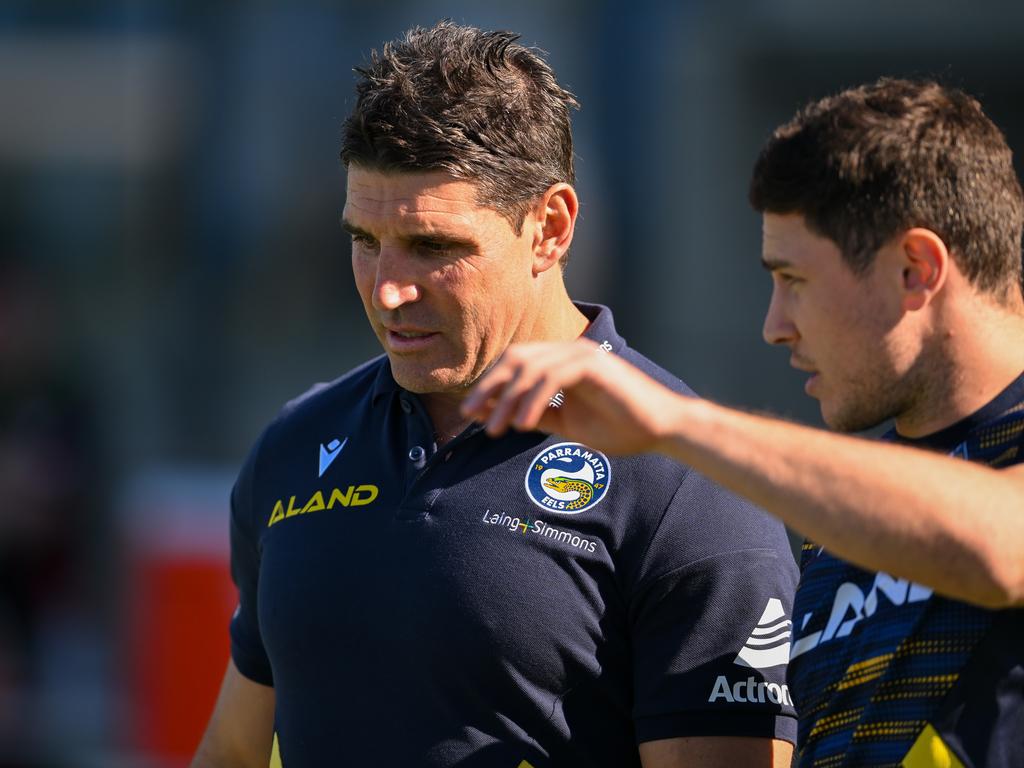
These potential exits are seen as necessary by the club to reset expectations, refresh the culture, and free up opportunities for younger players who are pushing hard for NRL spots. It’s part of a broader strategy under new head coach Jason Ryles, who has reportedly emphasised defensive discipline, effort off the ball, and mental toughness.
What it means going forward
For Parramatta fans, the message is clear: the club is no longer willing to tolerate mediocrity. The stakes have been raised, and the internal scoreboard is increasingly unforgiving.
Players currently in limbo face a choice: respond with improved performances, adopt the standards being demanded, or seek opportunities elsewhere. For the squad as a whole, the next few months will likely determine who stays, who goes, and whether this “rebuild in progress” can turn into a genuine resurgence.
If Parramatta hopes to climb back into finals contention, the turnaround won’t just be about skill—it will be about culture, attitude, and consistency. The club appears prepared to make hard calls to get there.