In a surprising move during last year’s trade deadline, the Minnesota Twins traded away Carlos Correa, marking a significant transition for the franchise. Correa, the highest-paid player in the organization’s history, returned to the Houston Astros in a deal that raised eyebrows across the league. The Twins not only moved on from a marquee player but also agreed to pay the Astros $10 million per season to facilitate the transaction—a detail that has become a point of incredulity among fans.
Correa’s stint in Minnesota was marked by both triumph and turmoil. He played a pivotal role in securing the Twins’ first playoff series victory in two decades, yet he was also hampered by plantar fasciitis, complicating his performance. His peak performances included a 5.3 rWAR season in 2022 and a standout first half in 2024, which earned him an All-Star appearance. However, he also exemplified the risks associated with investing heavily in a player who has faced durability issues.
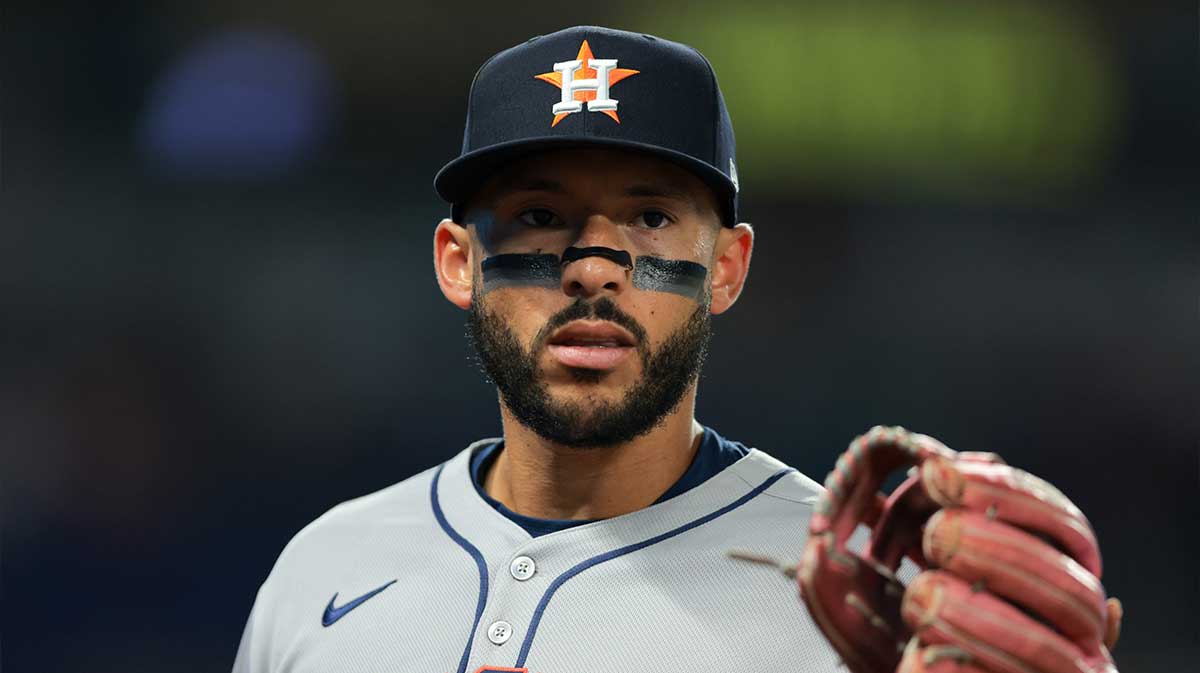
With the dust now settled, questions arise about the Twins’ decision-making and whether they would be better off in 2026 had they retained Correa. The financial implications of his departure were expected to offer flexibility, but instead, they created a noticeable void. The payroll decreased significantly from $136 million in 2025 to $107 million in 2026, but the savings did not translate into meaningful reinvestments into the team’s roster.
Retaining Correa would have necessitated tough decisions elsewhere in the lineup. High-profile players like Pablo López, Joe Ryan, and Ryan Jeffers could have emerged as trade candidates. Additionally, the timing of López’s season-ending elbow injury may have made trading him before the injury a pragmatic choice in a scenario where Correa remained a Twin. Instead, the franchise opted for financial relief without optimizing the roster, resulting in a leaner payroll that does not guarantee a more competitive team.
The effects of Correa’s absence go well beyond budgetary considerations. The Twins approached the offseason as if they were cutting back, even though the removal of Correa’s contract could have led to more ambitious acquisitions. Modest free agent additions like Josh Bell and Victor Caratini were made, but the team might have pursued more impactful players had Correa still been on the payroll.
The implications extend into roster composition as well. If Correa remained, he would likely have continued in the shortstop position, potentially reshaping roles for other players. For instance, Brooks Lee might have been relegated to second base, which could have opened opportunities for younger players like Luke Keaschall to carve out regular batting roles.
Meanwhile, Correa has begun a new chapter with the Astros, transitioning to third base and delivering solid performances. Through the first eleven games, he has posted a .262/.354/.381 batting line, demonstrating above-average defensive capabilities at his new position. A less strenuous role might be contributing to his success, as is the familiarity of playing in Houston and escaping the rigors of early-season games in Minnesota’s challenging weather.
The question lingers: would Correa have produced similar numbers had he stayed with the Twins? While it’s possible, it’s equally plausible that ongoing conversations about health and workload management would persist.
In retrospect, the debate over whether keeping Correa would have granted the Twins a higher ceiling is a complex one. His presence could enhance the performance and morale of the roster, creating a better overall team atmosphere, yet it is acknowledged that retaining him would involve trade-offs, particularly in the pitching depth and financial constraints imposed on the franchise.
Ultimately, the deeper frustration may not stem from Correa’s departure itself, but from the realization that the Twins have yet to fully exploit the opportunities that his absence created. The conversation has shifted from whether the team would be better off with him to whether they did enough to justify life without him. The question remains open-ended: Would the Twins have been better with Correa in 2026?