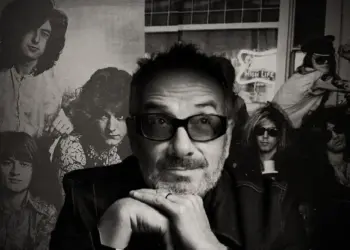
London, England’s Led Zeppelin rose from the ashes of British Invasion act The Yardbirds in 1968 to eventually become one of the most enduring bands in rock and roll.
I became fascinated with the band when, as a junior high school student, I purchased a vinyl copy of their 1971 fourth untitled album which is often mentioned as “Led Zeppelin IV,” both because it was the band’s fourth studio release and because it features four distinct runes, each one symbolizing an individual member of the band. I loved it.
I eventually bought a cassette of 1969’s “Led Zeppelin II” from a friend, and I became further intrigued by the group’s range of blues, psychedelia, and hard rock. Afterward, I bought new copies of each of the remaining albums by the band. The first time I heard 1969’s “Led Zeppelin,” I was struck by how direct and explosive it was.

My favorite track on it to this day is “How Many More Times,” the album’s longest at over eight minutes. As it concludes the record, it leaves the listener aghast at its intense performances and its fiery finish. The interplay of guitarist Jimmy Page, bassist John Paul Jones, and drummer John Bonham lift the otherwordly vocals of Robert Plant who seems determined to out-perform his bandmates with emotive power. Engineer Glyn Johns states in his 2014 autobiography, “Sound Man,” states his amazement during the album’s sessions.
“I was blown off my feet. The album that we made in the next nine days was a landmark in rock and roll history, taking it to another level altogether,” Johns states.
I eventually got a copy of 1976’s live album and soundtrack to the Led Zeppelin film “The Song Remains the Same.” By then I felt that I was a die-hard fan, and I knew all of their music fluently, recommending to my neophyte friends where their investigation of the band’s output should begin.
Last year when I learned the documentary about the early days of the band was to be released in Februrary of this year, I was curious how the story of the band would be shared. Many currently touring bands have created some form of documentary on their history and either shared it on YouTube or as an added feature of a compilation album. I was not sure what to expect, but I had hoped the material unearthed in the film would be relevatory and surprising.
After some friends saw the film in an IMAX Theater presentation, they all told me what a great movie it is, especially because of its sound quality. I waited until it was included with a Netflix subscription, and though it is merely in stereo, it does sound fantastic. The footage included by director Bernard MacMahon is remarkable and intriguing.
Among the more interesting aspects of the film are the lives of the band members, told in a more detailed way through interviews with them and photographs along with footage of their early lives. In this portion of the film, Page watches himself, as a teenager, performing on television with his skiffle group. The intensity of his gaze at his boyhood self is enlightening. A self-described “shy boy,” his courageous performance in the footage is enabled when playing his Hohner hollow body guitar with his bandmates, though he still avoids eye contact with the camera.
Additionally, Jones admits his scholastic failure because of his musical drive, coming from musical parentage, and Plant tells of his excitement over Little Richard, and his subsequent musical reputation. Bonham’s love of Gene Krupa and the drummers of James Brown segue into his wife’s warning against teaming with Plant. The familial backgrounds and photographs also add context to the future superstars’ story.
Through some performance footage that had not been included in earlier Led Zeppelin films, their unique appeal is evident. With early audiences plugging their ears, the band brazenly pushes the limits of what was expected at the time. It reaffirms and illuminates their place as groundbreaking artists whose impact will certainly be felt for decades to come.
Alex McGill is a musician and retired teacher who writes about his favorite bands and their evolution over the years.